Good questions are ones that they haven’t been asked before
When we were writing the higher levels of 3rd editions of English File, we came up with the idea of including what we called Colloquial English lessons. The aim was to start exposing students to unscripted English. In order to motivate students to listen, we decided to have video interviews, ideally with someone who had expertise in one of the topics from a previous File.
The first challenge was to find the right people. We had, rather naively, imagined that anyone with expertise in an interesting area would be able to talk about it in an interesting way, and would have loads of fascinating anecdotes to pepper the interview with. Reality, however, was different. When we were planning an interview with a flight attendant, we imagined that they would describe, in a very engaging manner, a dramatic near accident, incidents with difficult passengers, relationships with pilots, and things like that. In reality, we found ourselves with one who was very shy, almost monosyllabic, and had never had a single problem in the whole of their career. We learned from this, and always made sure that the people we ended up choosing were either people we knew, or knew of. If we had discovered them through online research, we always checked to see if there were interviews available on YouTube in order to judge to what extent they were articulate speakers. In the end through a mixture of personal contacts (a huge thank you all those who helped us) and people whom we approached who agreed to be interviewed, we now have a fascinating variety of interviewees.
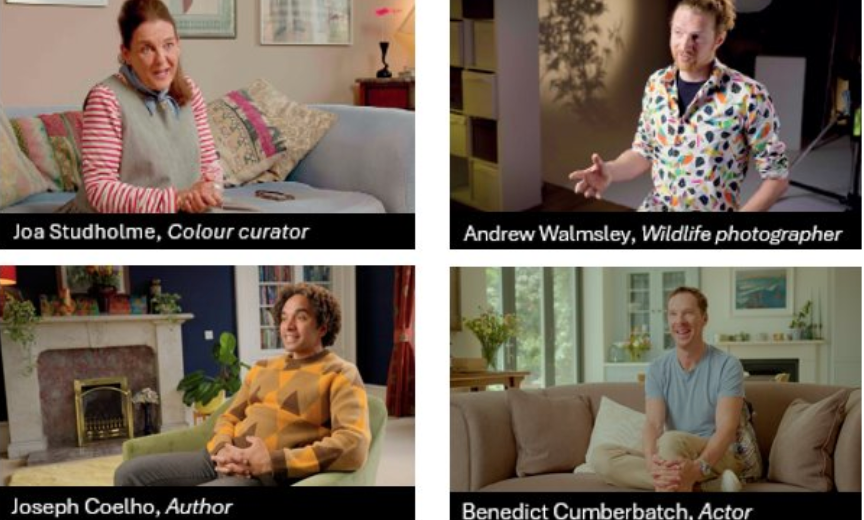
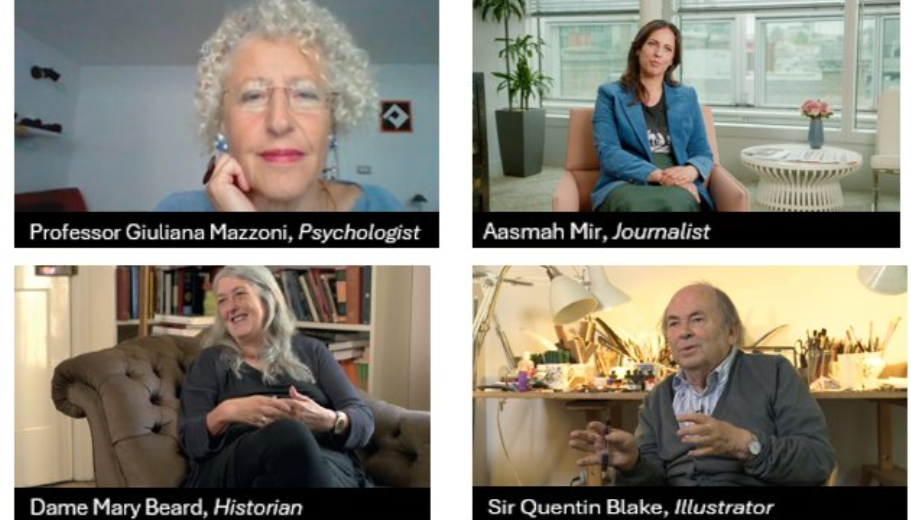
Since third editions, unscripted video interviews have been included in all subsequent editions, mainly in Colloquial English lessons, but also in the main lessons. Once an interview has been set up and a date agreed, the next thing is to write the questions. We tend to start by writing down all the things we ourselves would like to find out. We also want to shape the questions to relate to the lesson topic we have been focusing on. We then research the person to find out more about them and to see whether there are areas of their lives which might be worth pursuing. I had read, in an article in the Sunday Times about doing a good interview, that interviewees like to feel that the person interviewing has ‘done their homework’, and also that good questions are ones that they haven’t been asked before. When I was preparing to interview the actor Benedict Cumberbatch, I discovered that he had done a course in TEFL and had taught it for a year. I thought that both students and teachers would be interested to hear more about this experience, and he said afterwards that he had never been asked about this before. I also asked him about learning to do different accents for some of the characters he has played, as I also thought this would be an area of interest to students. As a result, the final interview is very different from anything you could find online– both genuinely authentic and perfectly tailored for teaching purposes.. This is another great bonus of creating our own interviews.
When the day of the interview itself arrives, we always spend a lot of time setting up the location. Where possible, we like to interview the person somewhere interesting or personal to them. We interviewed the illustrator Sir Quentin Blake in his studio, where he showed us all the tools he uses, and actually did some drawings for us. We interviewed Joa Studholme, colour consultant for the paint company Farrow and Ball, in her own flat. This meant that when we asked her about the right colours to paint different rooms, we could film her own rooms, which were very quirky and attractive, to illustrate the points she was making. I usually do the original interview for these videos. I know what direction I want the interview to go in, and what I think will be difficult for students to understand, so I can ask the interviewee to repeat or rephrase. The questions for the final video are voiced by an actor, however, so I have to make sure I don’t interrupt or respond too quickly to what the interviewee is saying. I had to learn not to say, ‘Oh really?’ or ‘How interesting!’, which is what you tend to do to create a relaxed atmosphere, but this makes it hard for the voiceover to be cut in. I always explain this to the interviewee before starting, so that they aren’t surprised at my apparent lack of empathy!
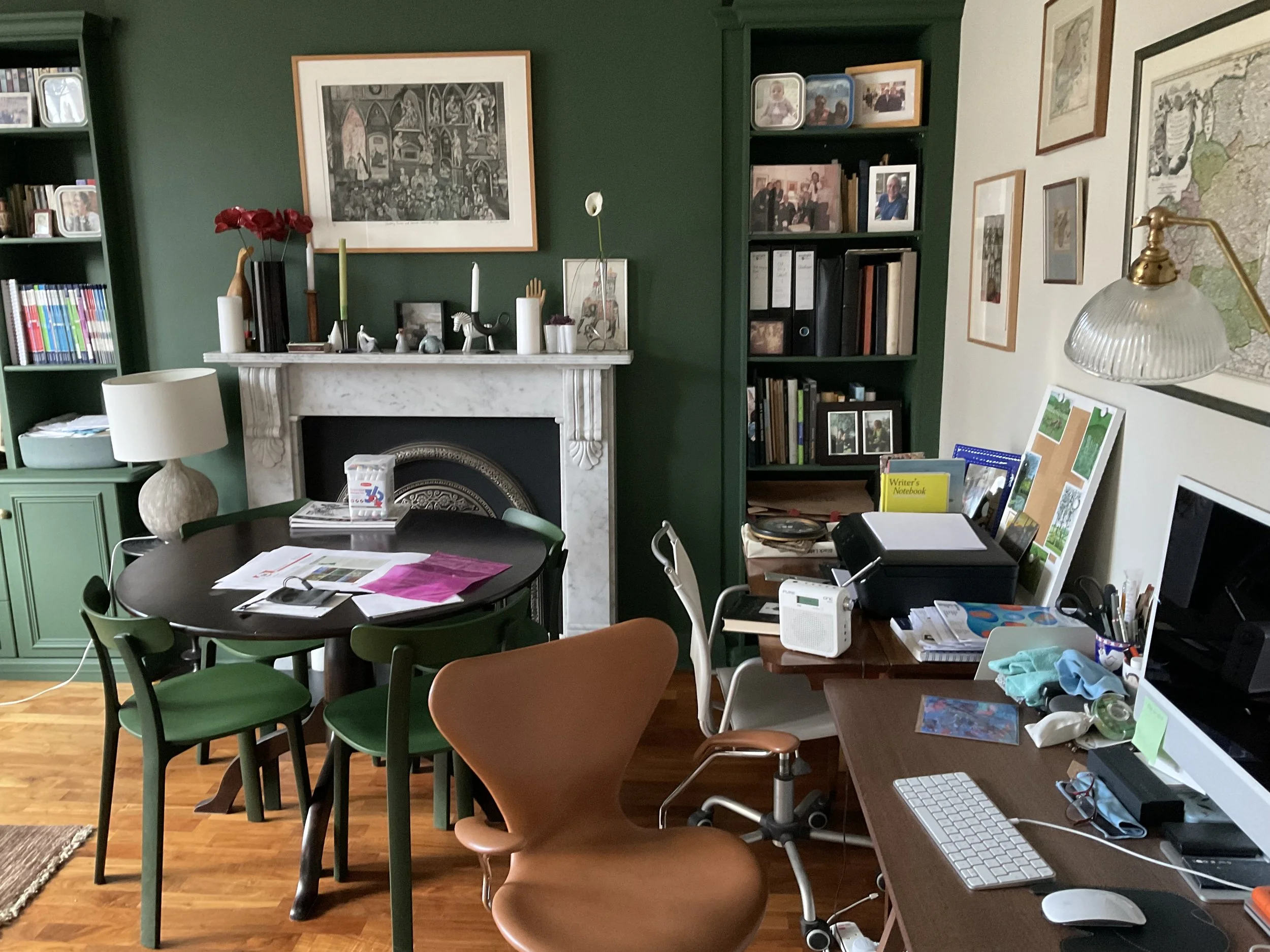
I have learned a lot from these interviews. I know more about how to photograph the natural world with my phone, thanks to wildlife photographer Andrew Walmsley; I know what arthropods are and am (slightly) less nervous around them, thanks to entomologist George McGavin, and after interviewing Joa Studholme, I immediately repainted my study according to her rules!